boBQuincy
<font color=green>I am not carrying three pods<br>
- Joined
- Nov 26, 2002
- Messages
- 5,086
To clear up a very common misconception, "reach" is what long lenses offer. Perspective compression is a factor (and *only* a factor) of the relative distances between the camera and picture elements. If I had taken the photo of Cindy's castle with a 50mm and used editing software to zoom in on the central portion of the image the perspective would be identical to the 200mm, this has been proven many times.
The difference is I would have had to zoom in quite a bit and most of the frame would have been outside my area of interest (not to mention the pixelation from zooming), hence the need for reach and the need for a long lens. What the long lens gives us is the ability to fill the frame with what we are interested in.
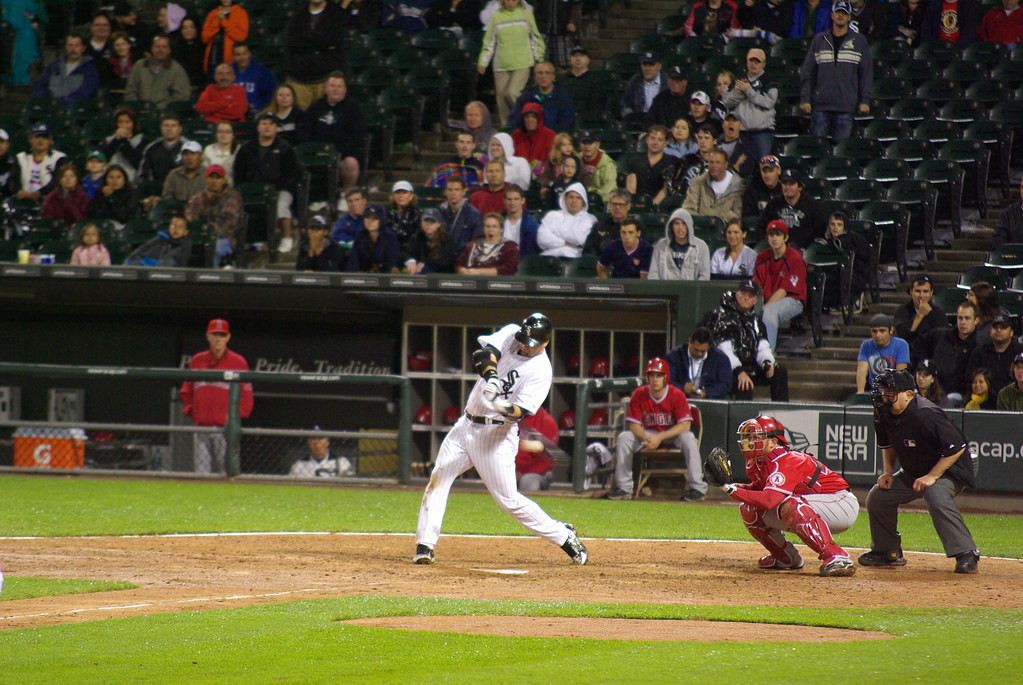
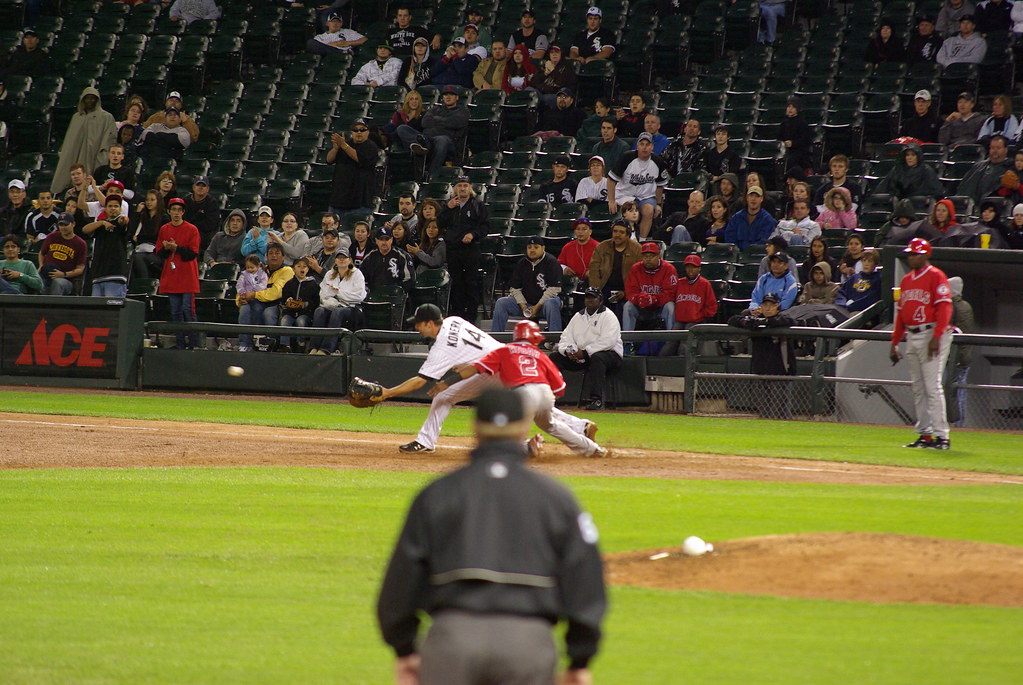
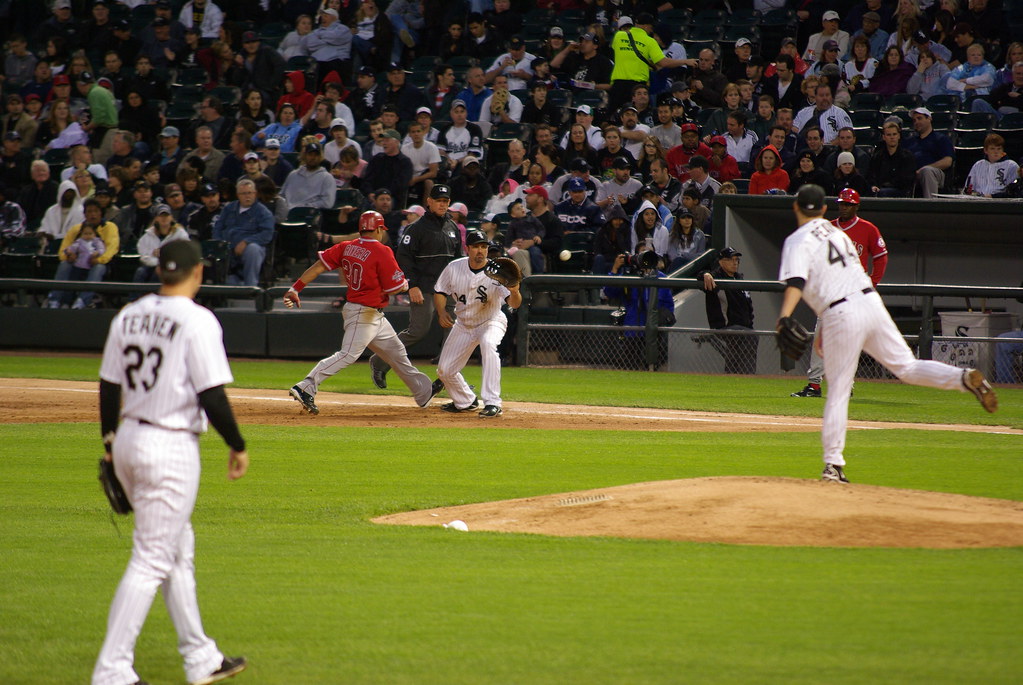
Point #2: a 200mm is a 200mm even on most crop dSLRs. Why? Because almost all dSLRs use the same lens mounts and dimensions as their full frame counterparts. This allows use of the full line of lenses but also locks in the magnification of the lens to be the same as on a FF. Yes, the angle of view is narrower but the magnification (which is what we use a long lens for) is identical.
This may seem trivial but by knowing how long lenses work may also help to clear up "why" and "when" to use a long lens (or a wide angle lens). Once we have visualized the image and how the subjects relate within it *then* we can decide what lens we need to fill the frame with what we want to keep.
The difference is I would have had to zoom in quite a bit and most of the frame would have been outside my area of interest (not to mention the pixelation from zooming), hence the need for reach and the need for a long lens. What the long lens gives us is the ability to fill the frame with what we are interested in.
Point #2: a 200mm is a 200mm even on most crop dSLRs. Why? Because almost all dSLRs use the same lens mounts and dimensions as their full frame counterparts. This allows use of the full line of lenses but also locks in the magnification of the lens to be the same as on a FF. Yes, the angle of view is narrower but the magnification (which is what we use a long lens for) is identical.
This may seem trivial but by knowing how long lenses work may also help to clear up "why" and "when" to use a long lens (or a wide angle lens). Once we have visualized the image and how the subjects relate within it *then* we can decide what lens we need to fill the frame with what we want to keep.