They're not necessarily expensive, but TCs tend to be a 'you get what you pay for' proposition - because you are sticking extra glass between your lens and sensor, you naturally have something that can possibly degrade the image quality and the light to the sensor. The quality of the converter just like the quality of the glass in the lens will make a very big difference in how much, if any, image quality loss you will suffer. And how good a lens you are starting with too - if it's an excellent, fast lens, it can stand to lose 4% quality and 1 stop of light, and still deliver an excellent image - if it's an OK lens, it might lose just enough image quality or become just a little too slow, and push it over the limit.
Where I see teleconverters used the most, and in fact where I use one myself, is with wildlife, bird, and sports shooting, usually paired with a very high end fast prime lens. The ability to push a 300mm lens to 420mm with a 1.4x converter, having an F4 become an F5.6, and still attaining quality far above that of a decent zoom, is a nice alternative to buying a similar spec 400mm prime which would be much more expensive and heavier to boot. Same goes for pushing a 500mm lens to 700mm, or a 600mm lens to 840mm. You'll note I am using the 1.4x TC in the above examples - most photogs who use TCs agree that the 1.4x converters have the least harmful effects on picture quality, and lose less light, than the 2x or greater converters.
I bought a nice 300mm F4 prime for my DSLR, and wanted to get a little more reach, as an alternative to using my 200-500mm zoom, when birding - 300mm left me a little short sometimes, but I also didn't necessarily need 500mm all the time, so if the converter was of good enough quality and could get me 420mm, it would be perfect. In my case, I considered Tamron, Sigma, Sony, and Kenko converters, but was fortunate to find a used Minolta APO matched TC for my lens. Matched converters are always the best - they were designed by the same folks who designed the lens, and were specifically optically designed and tested WITH that lens for optimal performance...plus, they look like they're a part of the lens when attached - you can't even tell there's a TC on the camera unless you look closely. For me, it was worth the extra money to get a high grade 1.4x TC - the only other one I was considering was the Kenko, as they seem to universally get praised as the best of the third-party teleconverters, at least with their higher end pro models.
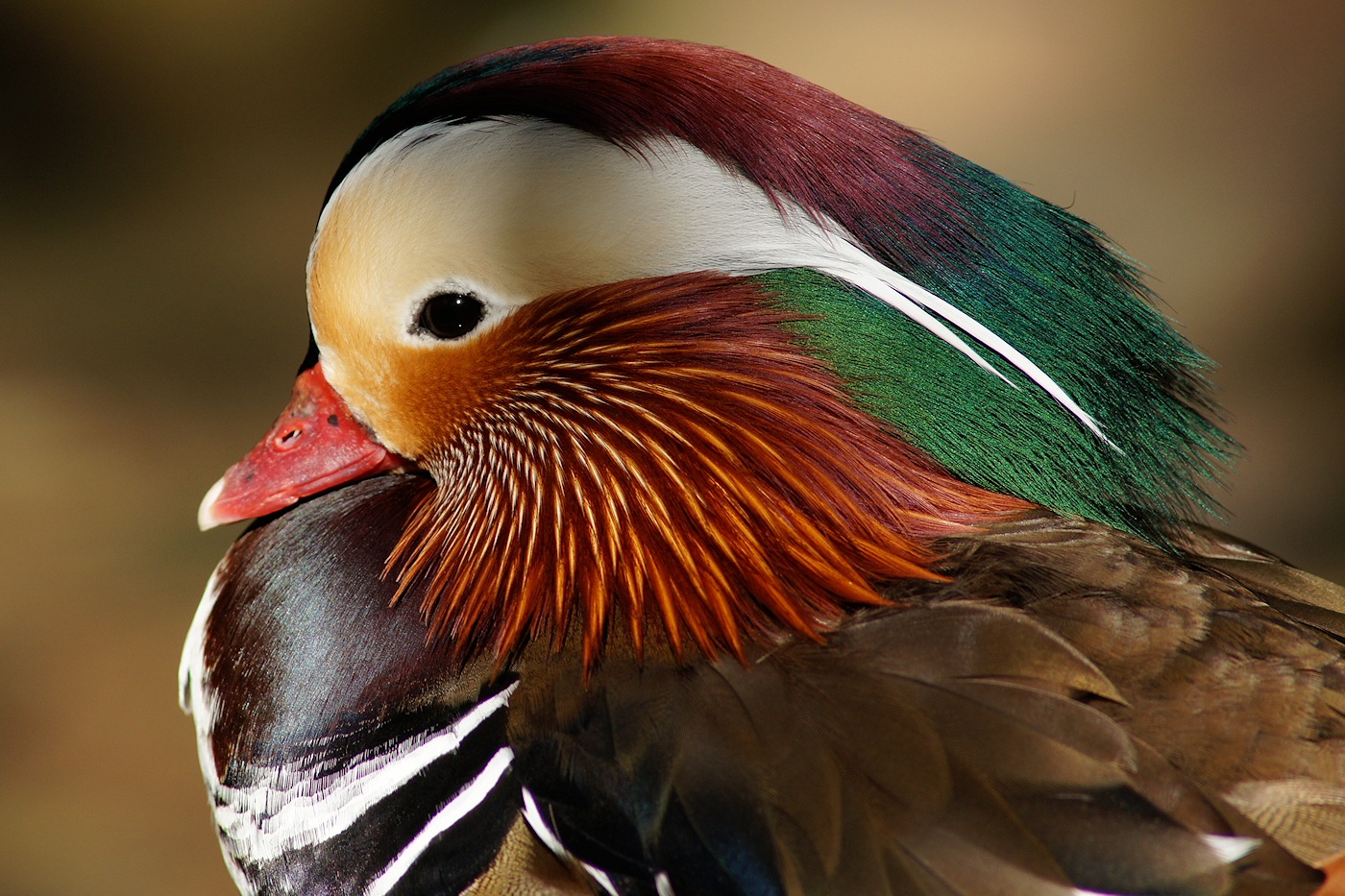
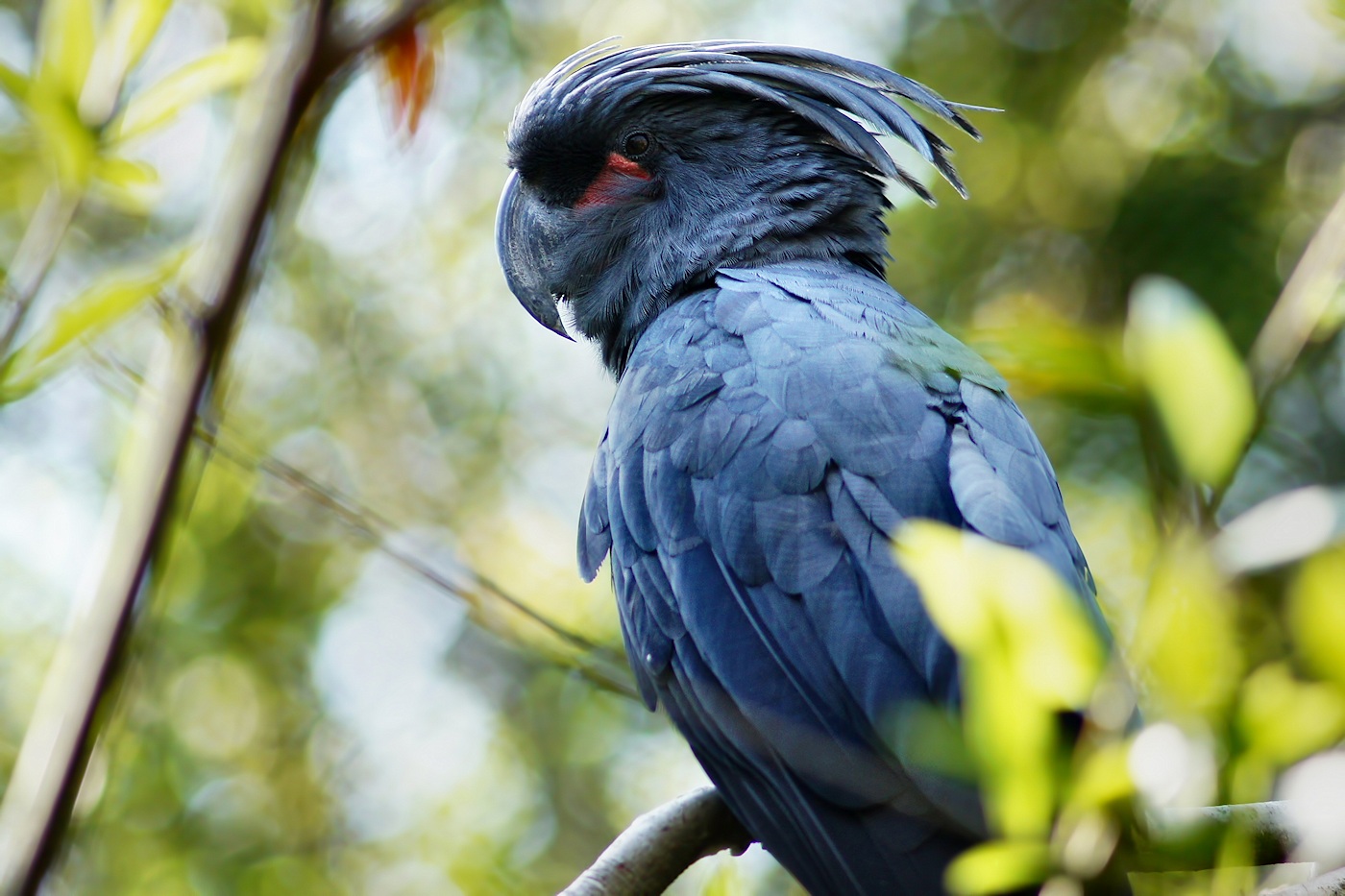
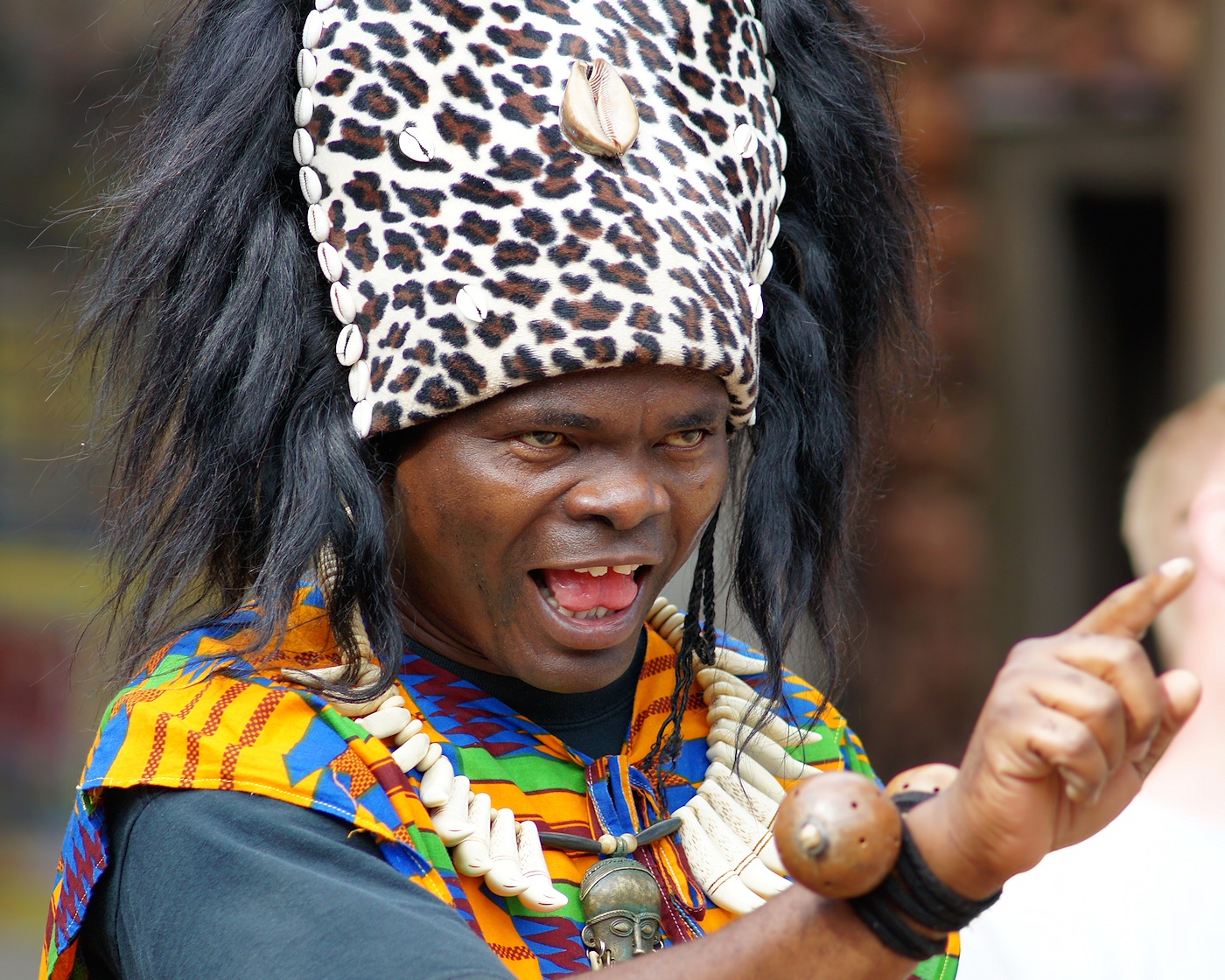
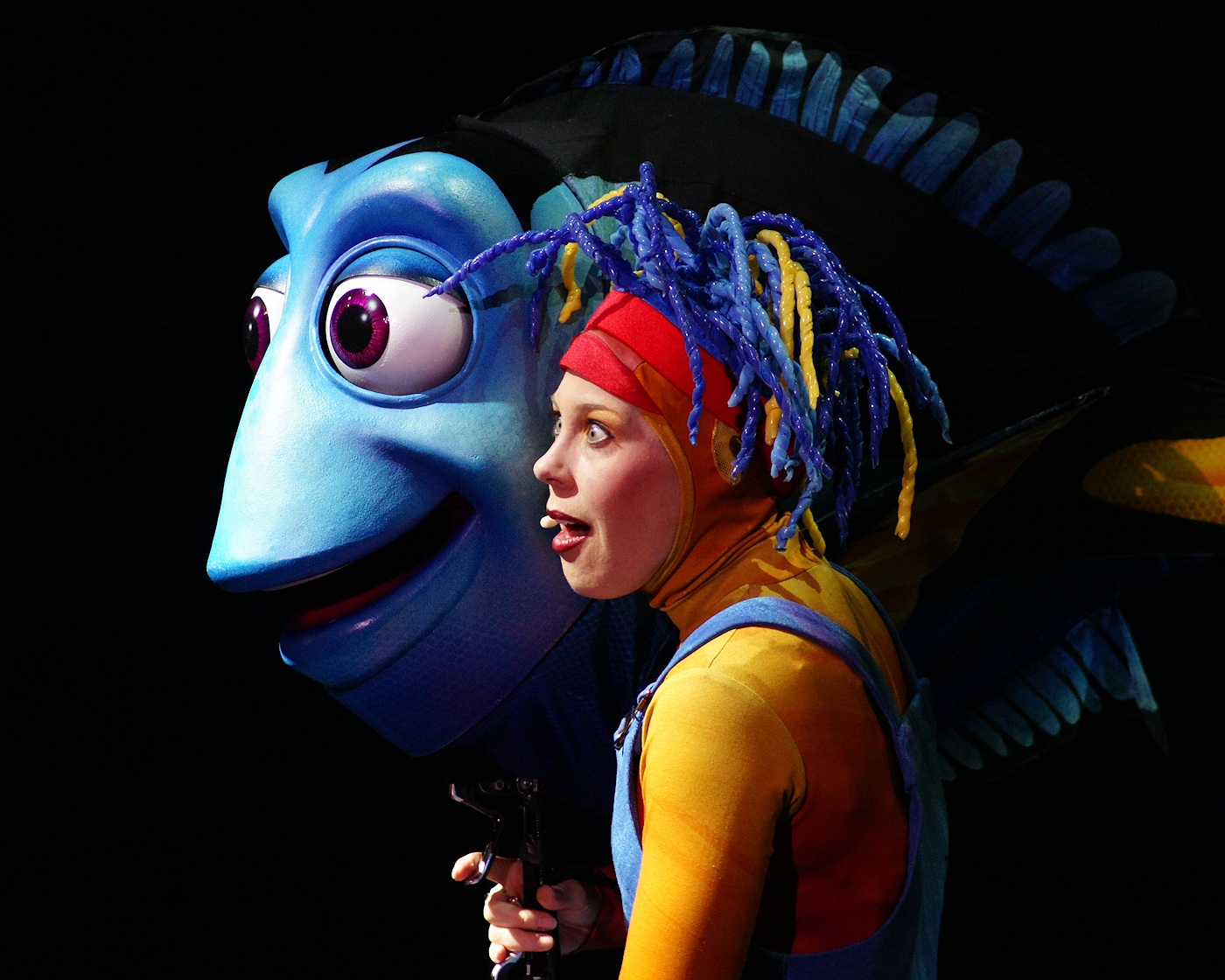
As for Animal Kingdom use - well I'm a bird and wildlife photographer, so for me, there's never enough telephoto, and I've regularly shot throughout the parks at 250, 300, and 420mm. You certainly have plenty of closeup opportunities where you can get shots with much less, but other times having the big lens lets you get really tight portraits of some of the littler animals, or extreme closeup facial details on some of the bigger guys. Not to mention the shallow DOF control which can take the animals out of their caged environs for a natural wildlife look. And in the aviaries on both jungle trails, 300mm is a bare minimum for some of those sneaky little birds popping around the branches! If you're into this type of photography, or want to be, then I think you might be happy with a TC as long as your zoom lens you're using it on is a solid performer. It's an F2.8, so you should be fast enough to still get decent performance and no issues with autofocus (sometimes a slower lens won't be able to autofocus with a TC because it pushes it beyond the requirement for the AF sensors). I think there's much to love about having 300mm+ at AK -
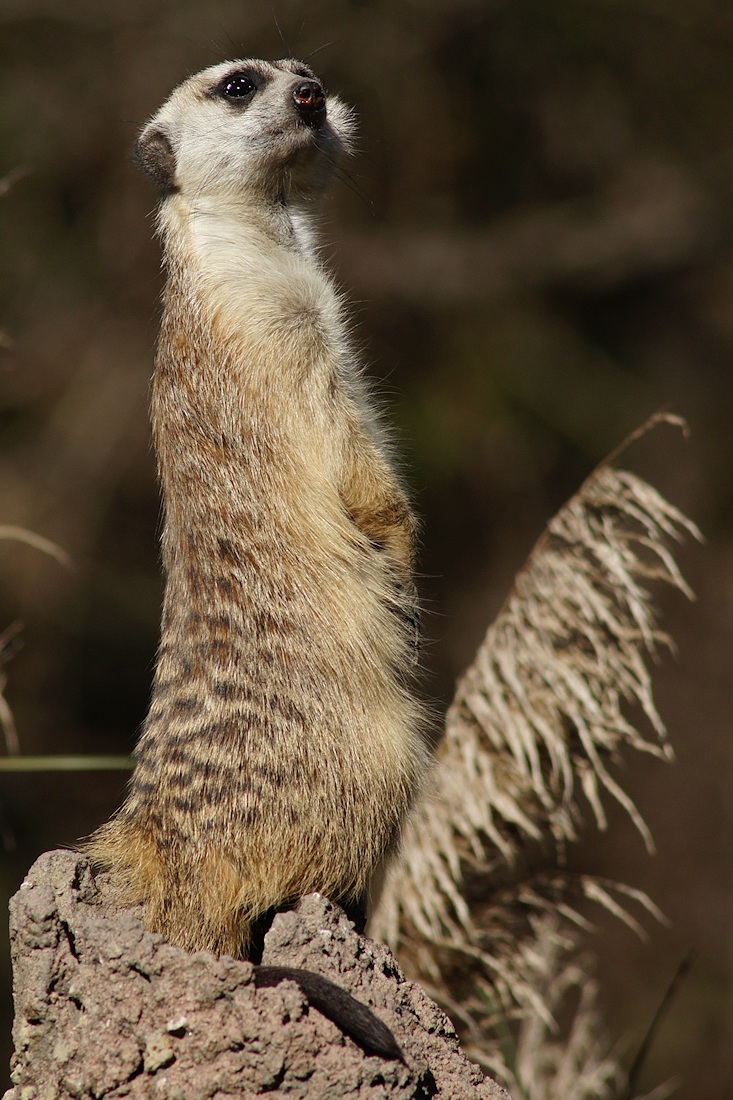
For those nice close detail shots with nice soft backgrounds:
For those waaaay closer than you expected shots:
Closeups of the smaller birds that hide in the aviaries:
Even portraits of performers and people:
Stage show closeups and details:





 back to the board!
 Yes, a teleconverter would be what I am asking about. Thanks for reading my mind!