For those still unclear on the concept of HDR (high dynamic range) photography, I'll try to explain. Sometimes the brightness range from the darkest to the brightest parts of a picture is so big that the camera can't capture everything. You either have dark areas that are just too dark or bright areas that are too bright (or both).
In this example, the small patch of sky and some of the lighter areas are too bright and the underside of the thatched roof is too dark.
If I took the same picture but lowered my exposure (made the picture darker), I could fix the problem with the bright areas, but the problem with the dark areas would get worse.
If I increased the exposure (made the picture brighter), I would fix the problem with the dark areas but would make the light areas look worse.
To fix them both at the same time, I took all of these pictures and combined them into one picture. There are a lot of ways to do that, but I used a simple software package called Photomatix. The result is this combined photo:
I actually added two more pictures, one between the regular and the dark picture and one between the regular and the bright picture. The software combined them all into a single photo.
There are several "gotchas" that you need to be aware of. First, you want everything to be exactly the same between the pictures except the brightness level. That means that the camera shouldn't move (use a tripod), your subject shouldn't move, and you shouldn't adjust anything in the picture except the shutter speed or the ISO (no zooming, changing aperture, adjusting focus).
The second issue is that the software has to do some tricks to map the tonal (brightness) range from the several pictures into one. There are lots of ways to do this and they often end up making your picture look like something out of a special effects freak show. Surprisingly, many people have come to like the weird effects that sometimes occur and they consider that the "HDR" look that they want. Personally, I prefer pictures that look more like what a person standing their would have seen, but it's a personal preference.
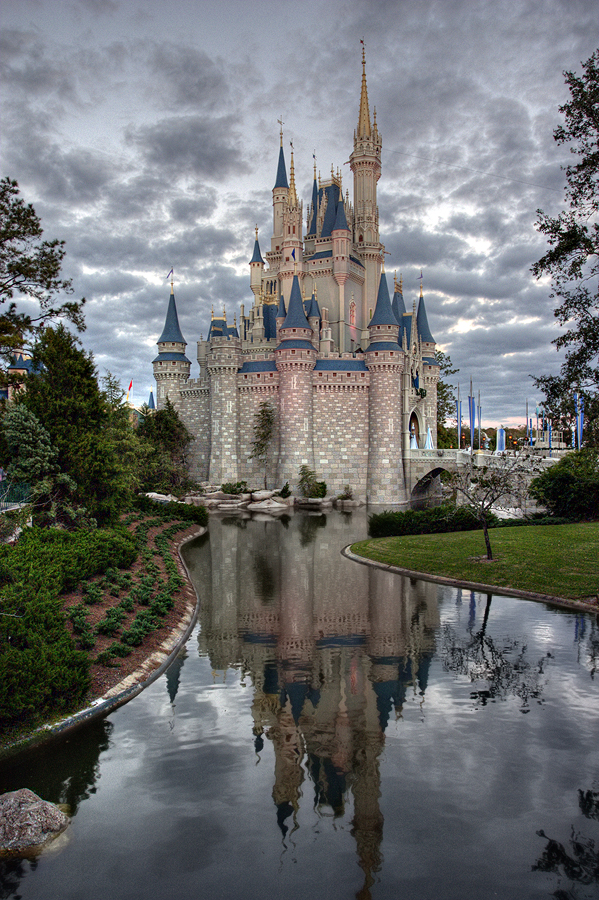
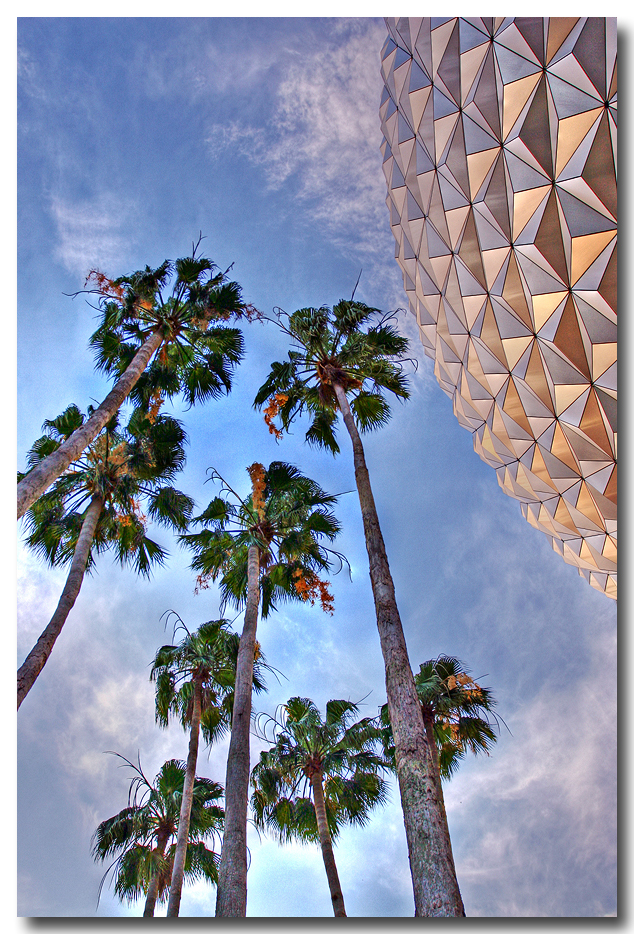
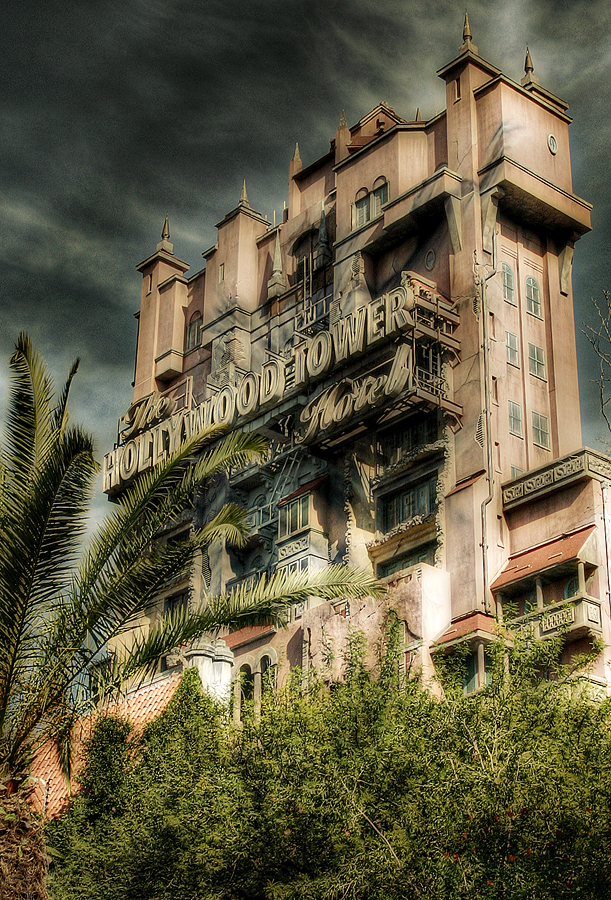
Here are a few other HDR photos from that outing.
In this one, I did have a moving subject - water. I used a long enough shutter speed so that the water appeared as a blur rather than as a distinct object, so it wasn't that big of a problem.
Here, the pond fronds were gently swaying, so they aren't nearly as sharp as they should be. It's not too objectionable in a small view, but I wouldn't want to see a large print of the picture.
Here is one where I broke several rules. I hand held the shots and I had moving subjects. The mitigate those problems, I shot as fast as I could (8.5 frames per second) and I braced the camera against a side wall.


 Your shot too !!!






 Can you give some details on how you did them?





