I wrote this before I read any of the other replies. But since reading, I see there are lots of ?s and concerns with something as serious as this.
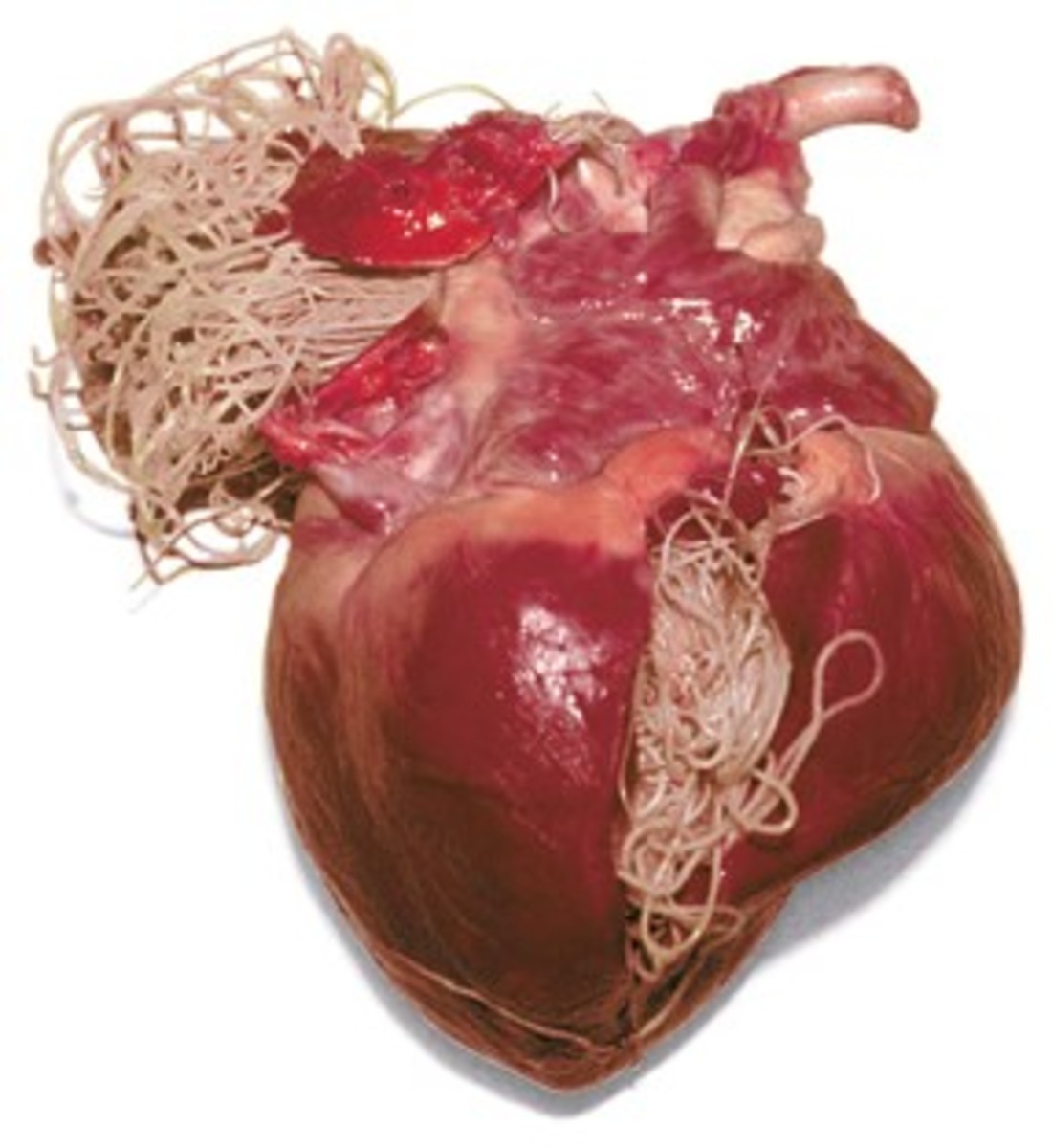
Dogs seem to do a lot better than humans do with medical issues. They generally recover pretty well. Now recovery may not happen overnight, but given time, dogs generally do pretty well after an event. (Naturally, there are exceptions.) The issue with the heartworms is that they put strain on the heart and lungs. They invade the heart and, essentially, blood can't flow through the chambers and the heart and lungs (because a big amount of blood comes from the lungs directly to the heart to deliver oxygenated blood) become strained. Sometimes the heart enlarges when it's strained, and pressures can increase in the lungs when they're strained, etc. In "strongly positive" cases, the worms can actually be in the top part of the lungs as well, which severely blocks flow in both the heart and the lungs.

It is really gross to see worms in a heart, and so sad to think it could be prevented relatively simply, when people CARE enough to get heartworm pills for their dogs. But anyway, killing off all those worms is a difficult process. That's why the dog has to be confined during that time. If the dog gets past that time ok, without complications, they generally do pretty well, especially over time. I would expect a young dog to do pretty well over the long term despite heartworm treatment. Maybe not excellent, but pretty well. Obviously you're going to have ANY dog begin a program that starts with a little and take steps to do more over time. It might be even more so, especially early on, with a dog whose system has been through such an insult. So you wouldn't want to do a three mile walk soon after treatment, obviously. But when she's free to start walking, you do a little bit and gradually increase, as your vet recommends. My guess would be that years from now, given regular walks, she'll build up to be a really great walker and companion. Ah, I now see the updates.