JoeDif
DIS Veteran
- Joined
- Nov 26, 2008
- Messages
- 1,383
I've been tagged as this months assignment assistant. I hope this lives up to the standards set by Linda (Pea-N-Me) during our previous months assignments.
===================================================
Has anyone ever told you not to shoot into the light? Or "always shoot with the light coming from behind the camera."
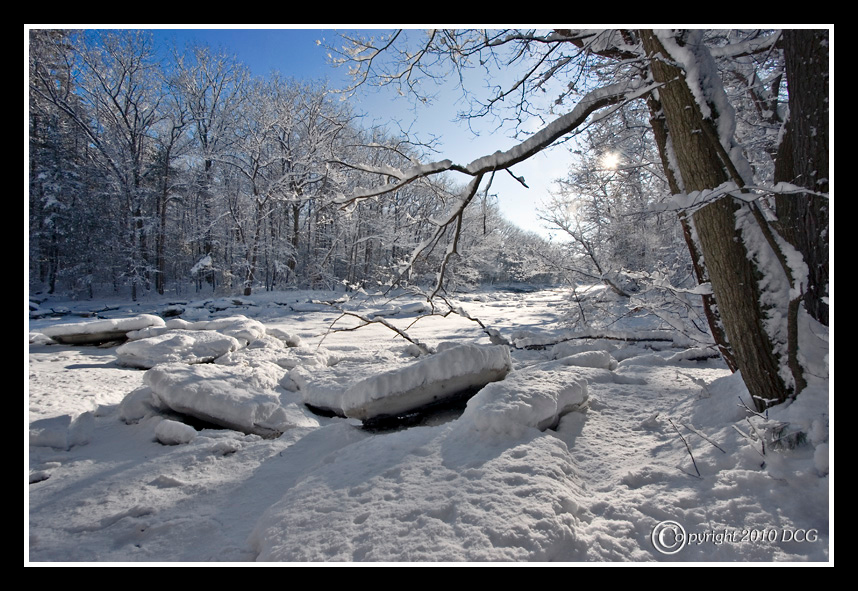
If you follow that advice, you are missing out on some wonderful image opportunities. Contrary to popular belief, the use of backlighting (where a light source is behind the main subject), is a technique that can produce wonderful images.
If you ignore backlighting you might miss some of these opportunities:
•backlight can add drama to an image
•backlit images can show the delicacy of a subject
•backlight can help create real mood in a shot
•backlit images can highlight details on the edges of subjects
•backlight can reveal textures that might previously have been hidden
•backlit images can show off the shape and form of a subject
•backlight can create shadows that add points of interest to an image
It is often recommended to use a lens hood when trying to enhance the effects of backlighting in photographs. A hood can significantly reduce the glare involved when pointing a camera directly into light. Zoom lenses are more likely to be flare susceptible that prime fixed focal length lenses.
Underexposure is also a common problem, as the brightly-lit background will overly influence the camera's meter. This will turn the subject very dark, almost silhouette like. Exposure compensation is the answer and it is best to give between one and two stops extra exposure from the 'normal' exposure suggested by the camera. Alternatively, take a spot meter reading from the shadow area and expose at the camera's reading this should require no compensation.
http://www.digitalcamerastyle.com/backlight-photography
http://en.wikipedia.org/wiki/Backlig...ghting_design)
http://www.brighthub.com/multimedia/...les/37823.aspx
So, for the next month, look for opportunities to take advantage of backlighting. Look for silhouettes. Look for long shadows and intriguing textures. Take advantage of backlighting to produce more interesting and dramatic images
===================================================
Has anyone ever told you not to shoot into the light? Or "always shoot with the light coming from behind the camera."
If you follow that advice, you are missing out on some wonderful image opportunities. Contrary to popular belief, the use of backlighting (where a light source is behind the main subject), is a technique that can produce wonderful images.
If you ignore backlighting you might miss some of these opportunities:
•backlight can add drama to an image
•backlit images can show the delicacy of a subject
•backlight can help create real mood in a shot
•backlit images can highlight details on the edges of subjects
•backlight can reveal textures that might previously have been hidden
•backlit images can show off the shape and form of a subject
•backlight can create shadows that add points of interest to an image
It is often recommended to use a lens hood when trying to enhance the effects of backlighting in photographs. A hood can significantly reduce the glare involved when pointing a camera directly into light. Zoom lenses are more likely to be flare susceptible that prime fixed focal length lenses.
Underexposure is also a common problem, as the brightly-lit background will overly influence the camera's meter. This will turn the subject very dark, almost silhouette like. Exposure compensation is the answer and it is best to give between one and two stops extra exposure from the 'normal' exposure suggested by the camera. Alternatively, take a spot meter reading from the shadow area and expose at the camera's reading this should require no compensation.
http://www.digitalcamerastyle.com/backlight-photography
http://en.wikipedia.org/wiki/Backlig...ghting_design)
http://www.brighthub.com/multimedia/...les/37823.aspx
So, for the next month, look for opportunities to take advantage of backlighting. Look for silhouettes. Look for long shadows and intriguing textures. Take advantage of backlighting to produce more interesting and dramatic images