Quick question for all of you fantastic photograhers!! Do you always use a tripod for your night shoots?
I'm just now getting into photography and have an obsession with beautiful night pictures!
I have a Canon PowerShot SX10IS that I bought a few months ago and I love it! I took a few good night shots in automatic handheld last month in WDW. Just wondering for the future!!
Thanks!
Usually I do...
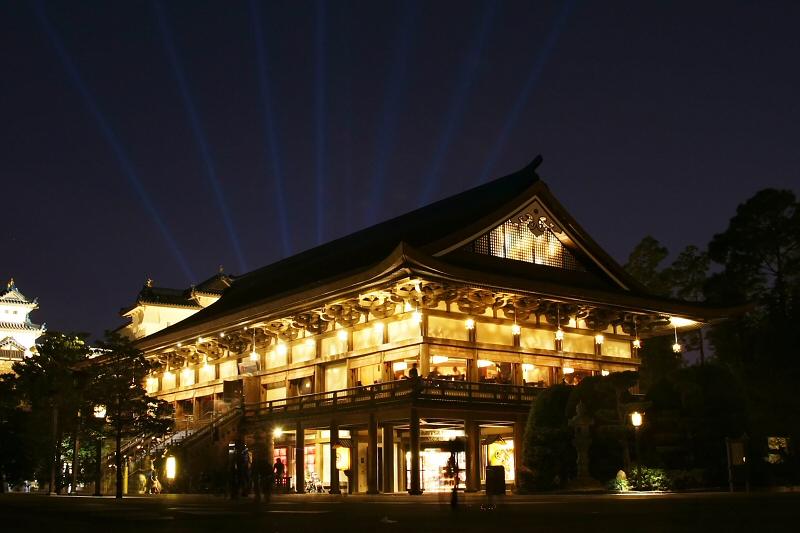
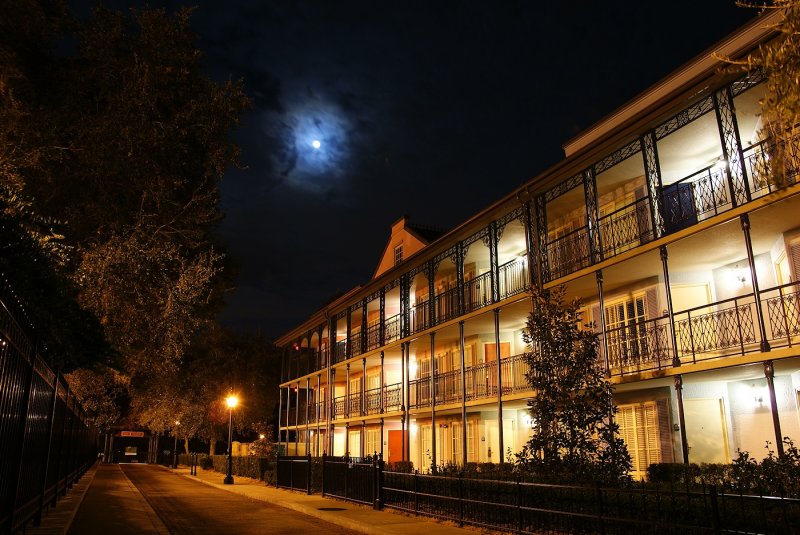
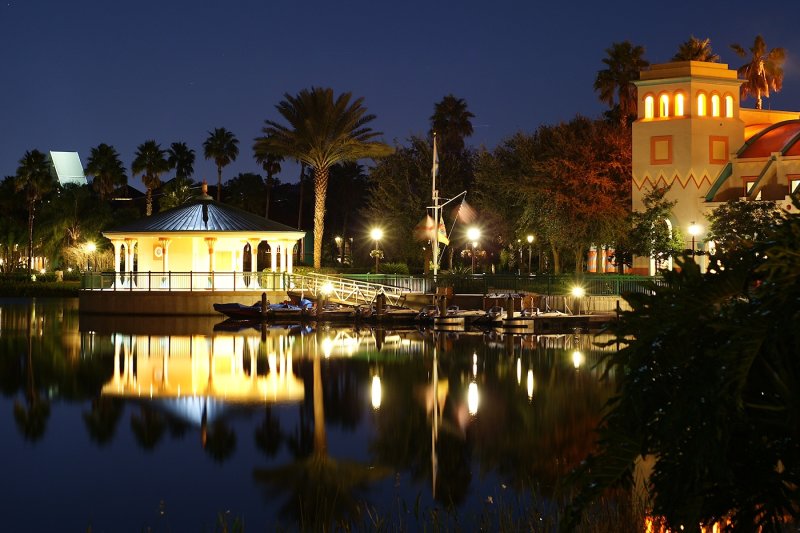
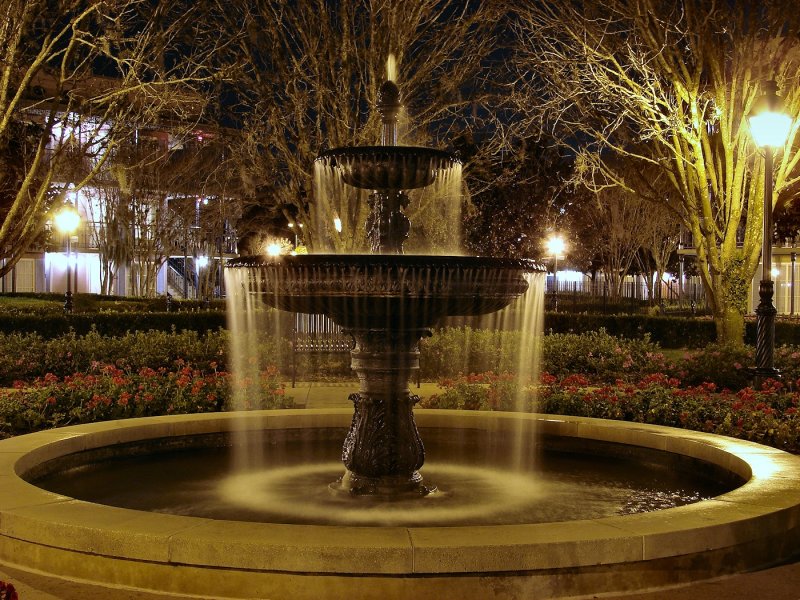
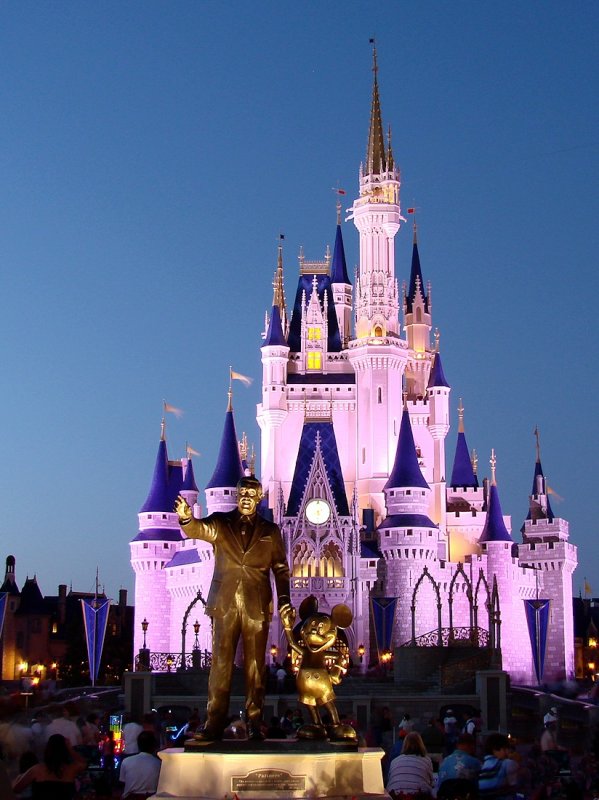
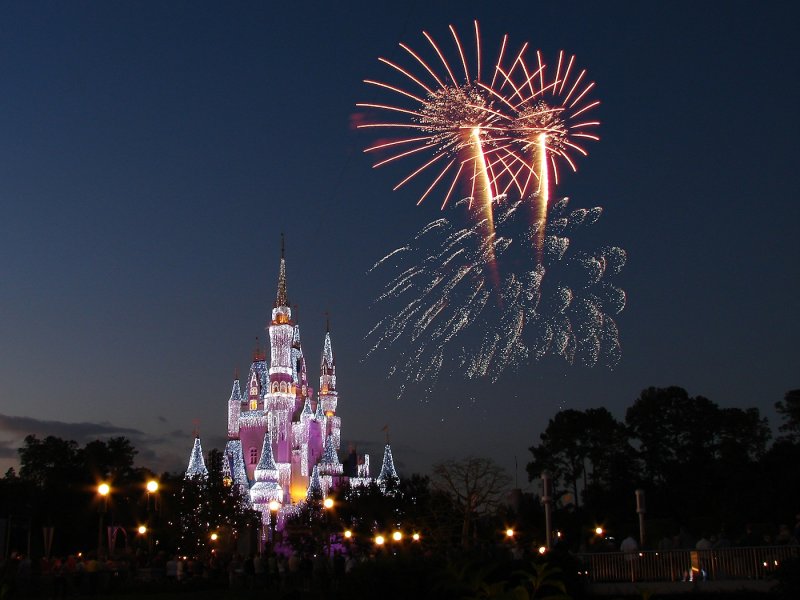
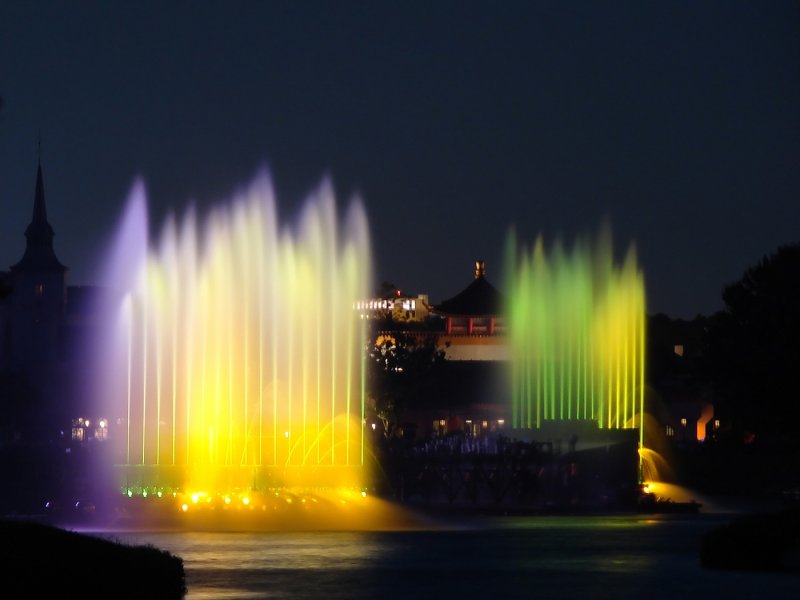
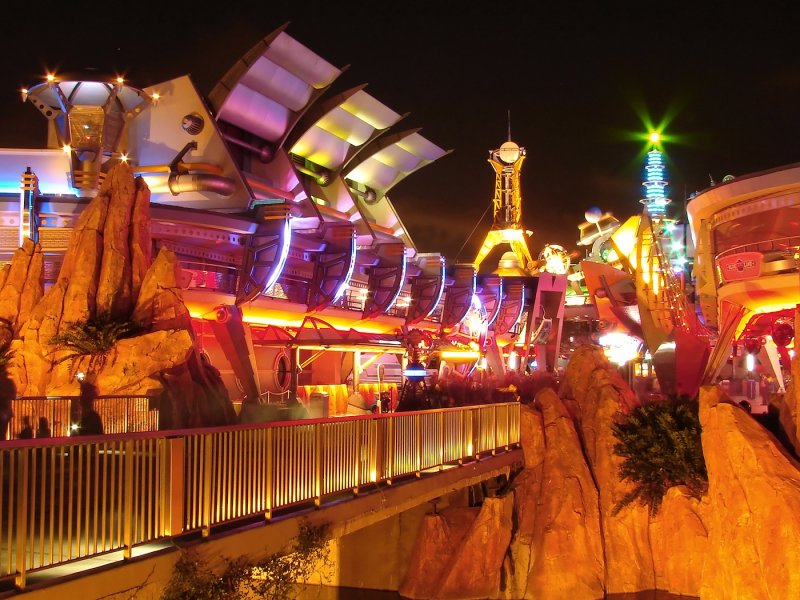
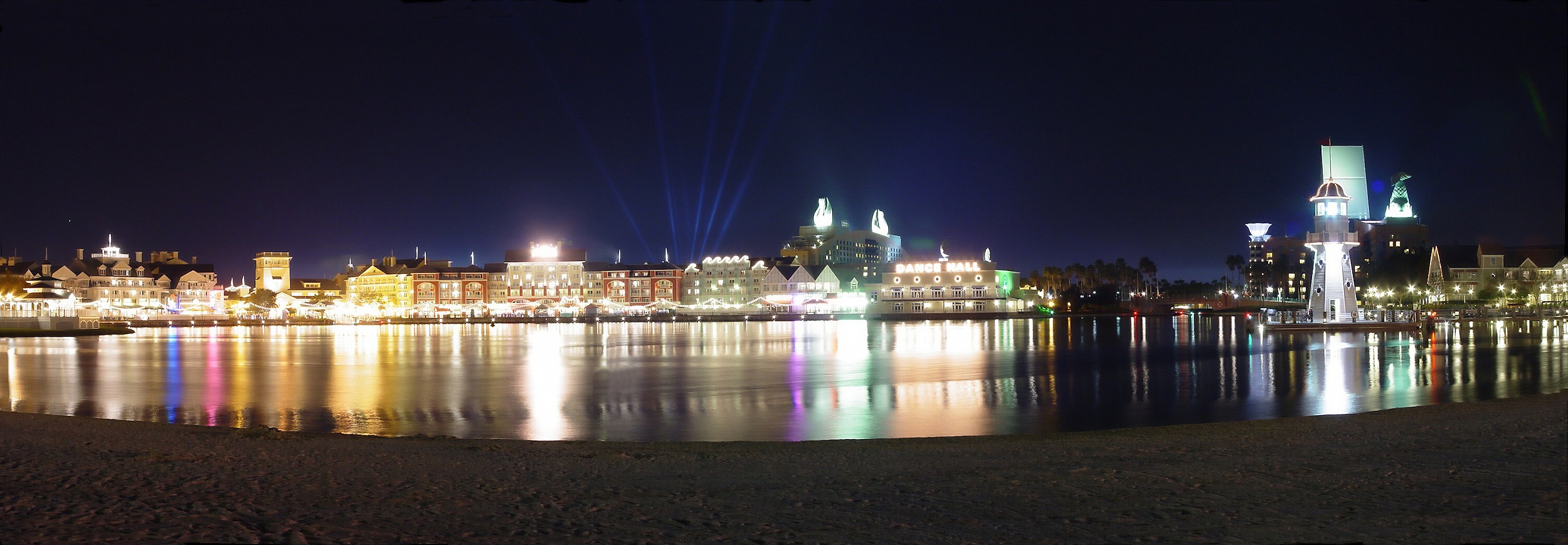
In the first two of my shots above, I didn't have my tripod with me, but used a garbage can top and a bench to lay the camera on for the shots. In the third of my shots, it was handheld with a slightly higher ISO.
In general, the best night shots will be obtained with the lowest ISO (regardless of camera), a tripod, and either a cable or remote release, or using the self-timer to take the shot. Manual settings are usually best, in that you can tailor the aperture for just the right depth or light saturation, and the shutter for the precise length of exposure - but Aperture Priority and Shutter Priority both work well too - and for those not at all comfortable with settings, Auto or P mode in a pinch will do.
If you don't have a cable or remote release, best to set the self timer to snap the pic for you - even the tiny amount of vibration your hand causes in pressing and releasing the button can show up in the shot. And if you don't have a tripod, any level surface will do in a pinch - a garbage can, fence, wall, ledge, bench, etc.
When all else fails, you can get by with handheld shots - if you've got something to lean on you can help steady yourself for longer exposures, and cameras with image stabilization can help a little too.
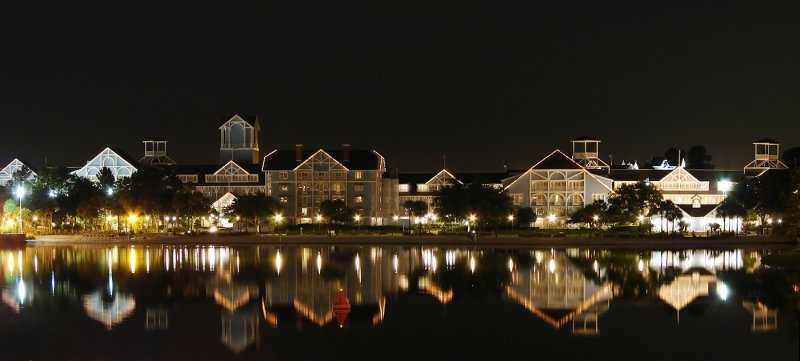
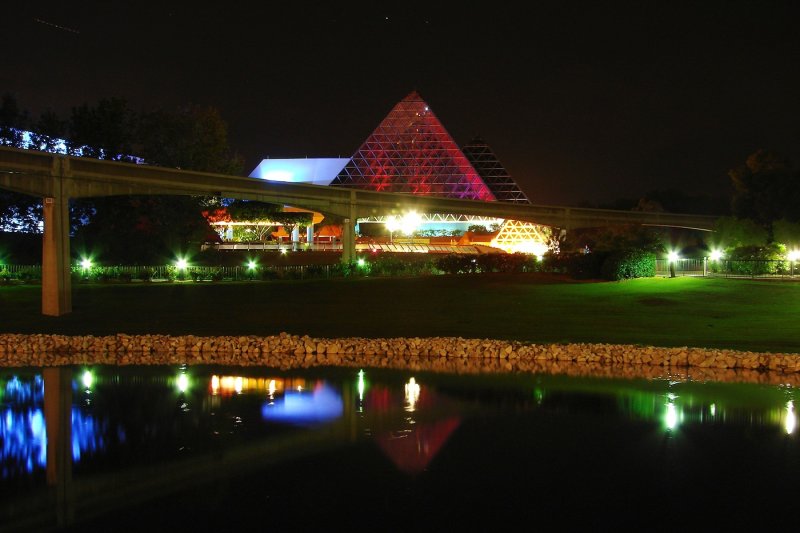
A totally different look is shooting high ISO night shots - these are a little grainier, usually darker, not as saturated in color, but can deliver an interesting look and capture the feel of 'night'. These can often be done handheld, as long as the shutter speeds are 1/2 second or faster. The firehouse photo I took handheld is ISO400. This shot I used ISO800 well after sunset, handheld:
You can see the shadows are darker, with less detail, and there is a bit more graininess in the shadows and darker areas. It doesn't have that laser-sharp look that long exposure night shots do, nor as much color or saturation. But at the same time, it's a different style of photo and some folks enjoy this type of photography too.



 ) .
) .